
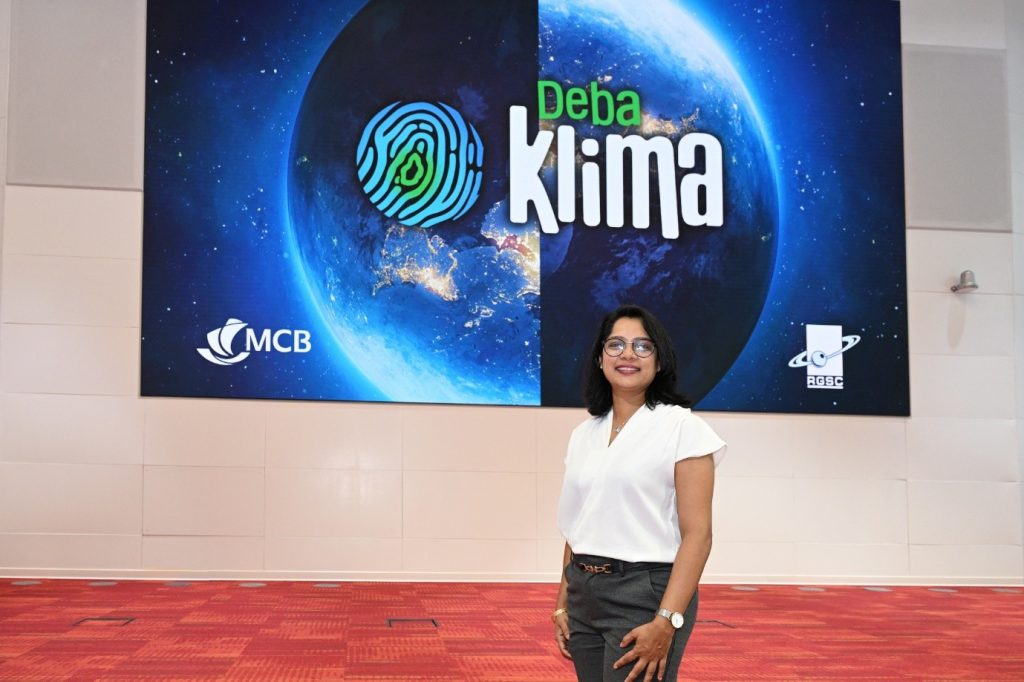
Dimensions invited Bhamini Kamudu Applasawmy, PhD, the 2025 Lee Kimche McGrath Worldwide Fellow, to share about a project important to her work in Mauritius, while reflecting on her experience attending the ASTC 2025 Annual Conference in the San Francisco Bay Area. The McGrath Fellowship is a key part of ASTC’s global outreach, strengthening international dialogue and collaboration across our community. This year’s conference was enriched by Dr. Kamudu Applasawmy’s unique perspective, bringing vital insights from her home island that deepened our collective understanding of planetary health.
A Small Island connected to a Global Vision
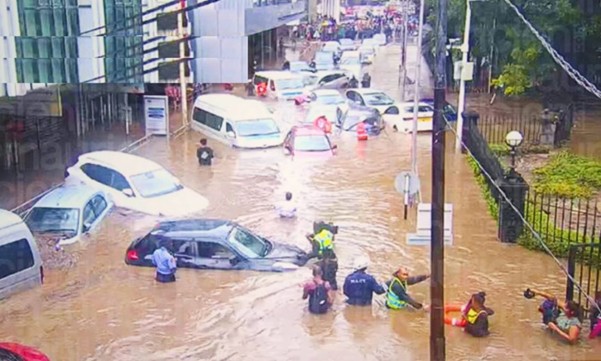
For Mauritius, a Small Island Developing State (SIDS) in the Indian Ocean, climate change is not an abstract threat; it is a lived, visible, and accelerating reality! From sea level rise to more extreme weather events like intense cyclones, Mauritius sits on the frontline of the climate crisis. In this context, science communication in SIDS must extend beyond information dissemination. It must equip communities, especially youth, with the tools to think critically, act responsibly, and innovate boldly. Thus, the Rajiv Gandhi Science Centre (RGSC), the only science centre in Mauritius, faces the urgency of remaining connected to global issues while staying grounded in local realities through more inclusive and participatory approaches.
This very need for connection—to learn from others, to exchange ideas, and to ensure that the voices and innovations of small islands are represented in global science communication conversations—motivated my application for the Lee Kimche McGrath Fellowship. I saw it as an opportunity to strengthen the bridge between local action and global dialogue, and to bring new insights, partnerships, and inspiration back to Mauritius and the wider Southern African region.
Contextualized Science Engagement Paradigms
Science centers in Southern Africa face complex and interconnected challenges (Walker et al., 2020): limited financial resources and infrastructure gaps that often restrict their ability to develop, update, and present new exhibitions grounded in local realities. Programming often relies on imported content, which can overshadow local contexts and narratives. For a small island country like Mauritius, with a population of just 1.2 million, these challenges are further compounded by low visitor attendance, limited staff capacity-building and under-representation in global networks.
Yet these very constraints can also drive innovation. In SIDS and many African nations, science engagement needs to extend beyond simply triggering curiosity and a love for science by reimagining its purpose and role. This means moving beyond exhibitions and replicated models of engagement inspired by Western contexts toward context-specific approaches that speak directly to local environmental, social, and cultural realities. For instance, programmes that explore climate change impacts, coastal erosion, biodiversity, sustainable livelihoods, and local entrepreneurship can make science more tangible and action-oriented, empowering young people to connect knowledge with real-world challenges in their communities.
‘Deba Klima’: An inter-school debate for youth engagement in climate change
‘Deba Klima’ (meaning the climate debate) was born from a simple yet radical idea: What if we trusted young people not only to learn about climate science but to debate it, communicate it, and defend solutions in public forums?
This national inter-school debate contest has placed students aged 15-18 years at the center of climate discourse for three consecutive years through a joint initiative of the Rajiv Gandhi Science Centre, Mauritius, and the Mauritius Commercial Bank, one of the largest bank corporations of the country.
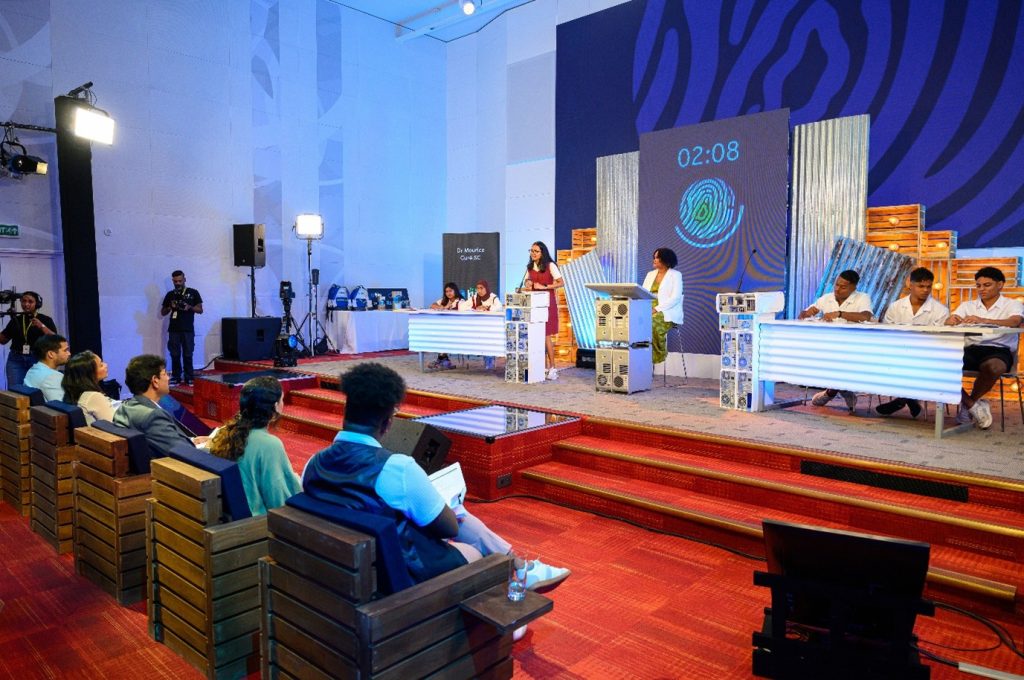
Over several months, teams from schools received coaching on climate change literacy, argumentation, and public speaking. They researched real-world climate challenges and its societal and geopolitical implications, covering a range of topics such as climate-induced migration, climate justice, international agreements and the relevance of climate smart-technologies for climate mitigation and adaptation. During the debates, teams were invited to take positions and present their cases in team confrontations before expert jury panels and community audiences.
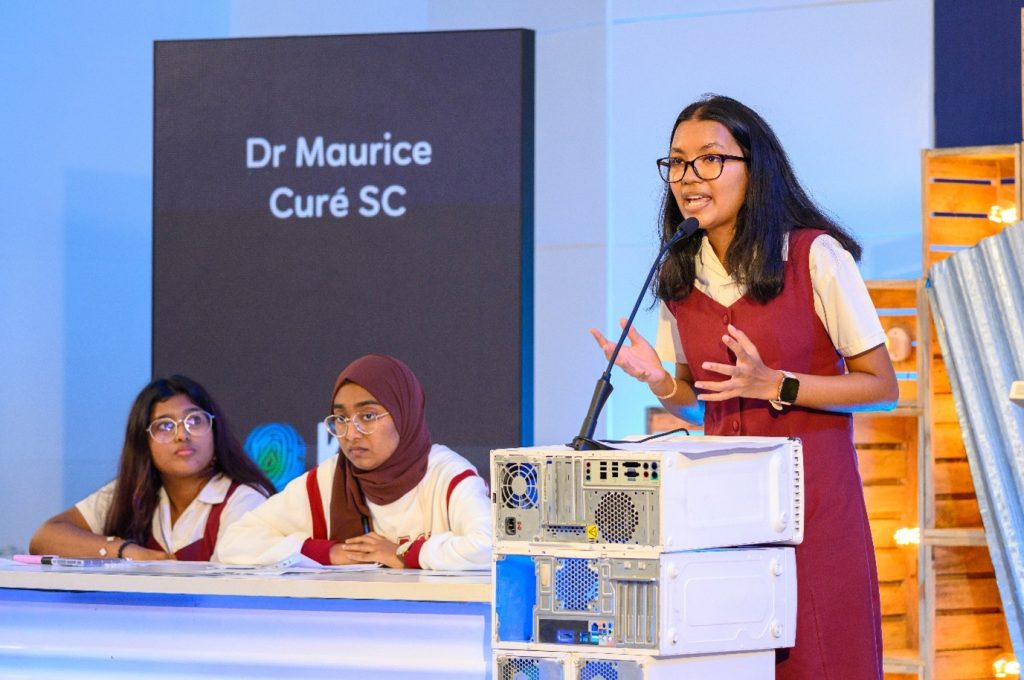
The response was overwhelming with the participation of about 60% of the secondary schools from urban and rural areas across the island. The debates were spirited, evidence-based, and emotionally powerful. The debate motions were carefully designed to reflect the lived realities and pressing concerns of Mauritians and island nations. They addressed contextualized issues directly shaped by the urgency of climate change, and raised awareness on the imminent threats that our nation faces. For example, “Small Island States which are submerged due to sea level rise cannot retain their sovereignty”. Thus, the debate motions highlighted the fact that climate change is real and pressing for island countries and not a distant phenomenon.

Project Highlights
The real success of Deba Klima lies beyond the trophies:
- Empowering youth voices: Participants reported increased confidence, heightened climate awareness, and a newfound sense of self-efficacy in influencing society.
- Inclusive participation: Debating in Kreol Morisien (our native language) eliminated language barriers, ensuring broad and diverse representation among participants. For many, it was their first experience engaging with science as a tool for advocacy.
- Wider national reach: The debates were aired weekly on the national television broadcasting corporation, reaching a large and diverse audience across Mauritius.
- Strategic partnerships: As a non-profit science centre with limited resources, our partnership with a major bank corporation provided essential financial support and communication expertise to promote the debates beyond schools. The project also benefited from a strong marketing campaign and active promotion on social media.
- Youth advocacy at the global level: Participants were promoted as ambassadors for climate resilience. The initiative was highlighted by our corporate partner at COP 28, ensuring that youth voices from Mauritius reached the global community.
- A replicable model for youth-led engagement: Deba Klima demonstrates how localised climate engagement can resonate more deeply when young people connect scientific understanding to the realities of their own communities. The model has strong potential for adaptation across other Small Island Developing States (SIDS) and African nations as part of climate education.
- Reputation and partnerships: Over the years, the Rajiv Gandhi Science Centre has built a solid reputation for excellence in science communication, which laid the foundation for a valued corporate partnership that shares our vision and made Deba Klima possible.
Our work in Mauritius reflects a deeper vision: one where science engagement is community-driven, youth-led, and deeply rooted in local context. It is imperative to bring forward narratives from small islands, recognising our unique insights, adding value to the current science engagement discourse.
Looking Ahead: Strengthening Global Connections through ASTC 2025
Participating in the ASTC Annual Conference offered me an invaluable opportunity to amplify the voice of science centers from small island nations within the global science engagement community. It was an inspiring space to learn from peers across continents who are advancing bold and creative approaches to science communication.
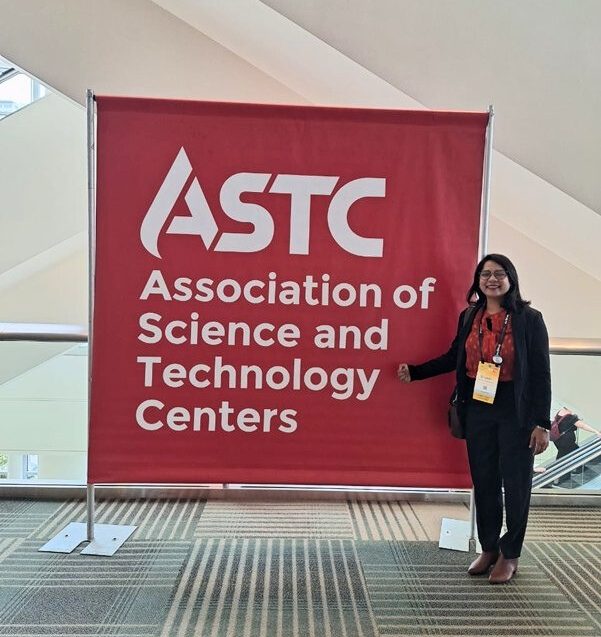

ASTC 2025 was not only about discovering cutting-edge exhibition models and interactive technologies, but also about reflecting on how these approaches could be meaningfully adapted to the realities of Mauritius and the wider Southern African region. Sessions on welcoming all people provided valuable insights into how science centers can serve as truly accessible and locally relevant spaces.
The conference also allowed me to fulfil a long-held dream of visiting the Exploratorium and the California Academy of Sciences in San Francisco, as well as experiencing The Tech Interactive in Silicon Valley. These visits deepened my understanding of how exhibitions can blend creativity, technology, and storytelling to create transformative visitor experiences—lessons that will inspire the next phase of science engagement in Mauritius.
Equally important were the new professional networks built at ASTC, opening doors to collaborations with institutions across the Asia-Pacific, Europe, and North America. The IF/THEN® Champions Network particularly resonated with me, aligning closely with our own Inspiring Scientists programme, which promotes female role models in science and my personal engagement in the Organisation for Women in Science in the Developing World (OWSD-Mauritius Chapter).
ASTC 2025 was a powerful reminder of the power of connectivity. Although science centers and museums around the world operate within diverse models and contexts, we remain united in our mission to stay relevant to the communities we serve. Science centers from Southern Africa are not at the periphery but form part of a vibrant and evolving global ecosystem. Looking ahead, I am committed to transforming these learnings into meaningful partnerships and programs that will benefit communities in Mauritius and across the Southern African region.