
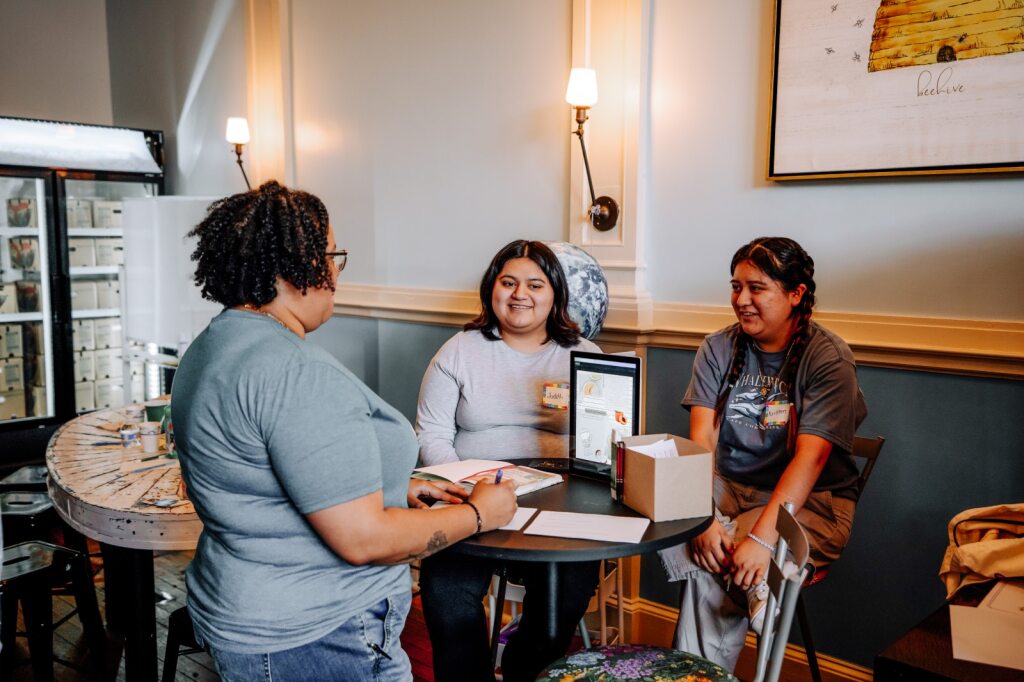
Community engagement is at the heart of our work in science centers and museums. From education to exhibit development, visitor services to visitor studies, community engagement is both a means and an end to everything we do.
ASTC’s Community Science Initiative is dedicated to helping science centers and museums partner more effectively and equitably with their communities. Our resource library houses a growing collection of tools, guides, reports, and case studies related to community science, including a new set of resources specifically focused on community engagement and relationship building.
Collectively, the five resources offer a range of tools for navigating a path towards deeper, more meaningful community engagement.
1. A “Watershed Model” for Community Engagement in Museums
Start by reflecting on the role of science centers and museums in the community. In this article, a team of authors from the Museum of Life and Science argue that museum professionals need a new mental model for thinking about their personal, professional, and institutional relationships. Drawing from ecology, they propose a watershed model, which emphasizes interconnectivity, messiness, and change over time.
2. Pre-Community Engagement: Setting the Stage for Authentic Community Engagement
With this ecosystem perspective in mind, prepare for effective collaboration with this report from Vitalyst Health Foundation. The toolkit offers recommendations and resources for understanding community players, perspectives, and preferences and anchoring relationships in shared values, such as humility and authenticity. Their methodology includes three core steps: seek to understand the layers within a community, understand a range of community member perspectives, and identify engagement strategies that support community preferences.
3. Engaging Your Community: A Toolkit for Museums
Ready to look inward to reach outward? This toolkit offers concrete steps and tools that museums can use—in collaboration with community partners—to assess their current relationships and explore how community engagement can be integrated into all aspects of museum operations. This tool, developed by the Ontario Museum Association, may be particularly helpful for organizations undergoing strategic planning.
4. How to Host a Community Conversation
To more deeply integrate the voices of community members, consider hosting a community conversation. This resource from the Interactivity Foundation, an organization dedicated to strengthening democracy through discussion, can support you in creating these conversations. This page provides three separate guides with specific, practical checklists on organizing, facilitating, and participating in community conversations.
5. Tactics for Trust: Building Public Trust in Science and Beyond
As you do this work, keep in mind that the way science centers and museums engage with the public has implications, not only for each institution’s relationship with local partners, but also for the broader relationship between science and the public. This handbook from the Aspen Institute explores the roots of declining public faith in scientific institutions and outlines strategies for strengthening mutual trust. They offer advice on key steps like honing in on a relatable message, establishing personal relationships, and meeting people where they are.
What’s next?
Keep an eye out for our new Resource Library additions! Upcoming resources will focus on community science for disaster response. If you have recommendations for resources we should feature, please send us an email at communityscience@astc.org.
If you’d like to stay informed about the Community Science Initiative, you can sign up for our mailing list below and come see us for our pre-conference and concurrent sessions at ASTC 2025!